
📰 Gobar Gas Plants Shield Belagavi Village Amid LPG Shortage
- Laxmi Galani

- Mar 30
- 2 min read
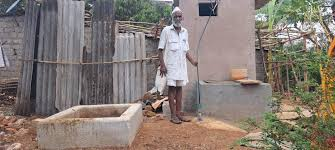
Residents of Kattanbavi in Belagavi have found an effective and sustainable solution to the ongoing LPG cylinder shortage—decades-old gobar gas
plants that continue to power their kitchens.
🌱 A Self-Reliant Village Model
With a population of around 1,200 people, most households in Kattanbavi rely on gobar gas (biogas) plants installed nearly 30 to 35 years ago. These systems convert cattle dung into clean cooking fuel, reducing dependence on commercial LPG cylinders.
At a time when many regions are grappling with supply disruptions, the village has remained largely unaffected thanks to this community-driven, eco-friendly alternative.
🔥 Reliable Fuel Despite Crisis
While LPG shortages have caused inconvenience in nearby areas, residents of Kattanbavi continue their daily cooking without interruption. The biogas plants:
Provide a steady and low-cost fuel source
Reduce household expenses on cooking gas
Ensure energy security at the local level
🐄 Sustainable Use of Resources
The system works by utilizing cattle waste, which is abundantly available in the village. This not only helps in:
Efficient waste management
Reducing environmental pollution
Producing organic manure as a byproduct
🌍 A Model for Rural Sustainability
Experts say Kattanbavi offers a strong example of how traditional and sustainable practices can address modern challenges like fuel shortages. The long-lasting functionality of these plants highlights:
The durability of early rural energy initiatives
The importance of community participation
The potential for scaling similar models across rural India
🚀 Lessons for the Future
The success of this village underscores the need to:
Promote renewable energy solutions in rural areas
Encourage revival of existing biogas infrastructure
Reduce reliance on fossil fuels like LPG


Comments