top of page

Ousted Yoon Suk Yeol Appeals Life Sentence Over Martial Law Decree

Seoul: Former South Korean President Yoon Suk Yeol has filed an appeal against a life sentence handed down by a lower court in connection with his controversial martial law decree, escalating political tensions in the country.
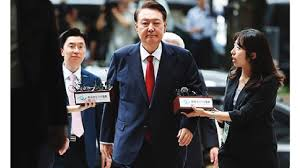
Yoon Suk Yeol

The ousted leader was convicted on charges related to abuse of power and constitutional violations stemming from his decision to impose martial law during a period of nationwide unrest. Prosecutors argued that the decree undermined democratic institutions and exceeded presidential authority.


Legal Team Calls Verdict ‘Excessive’

In a strongly worded statement, Mr. Yoon’s legal team said they would challenge both the indictment and the judgment.

“We will never be silent about what we view as an excessive indictment by a special prosecutor, the contradictory judgment rendered by the lower court based on that premise, and its political circumstances,” his lawyers said.

The defence maintains that the former president acted within his constitutional powers to restore order and protect national security during a time of crisis.


Background of the Case

The charges relate to Mr. Yoon’s declaration of martial law, which granted sweeping powers to the military and restricted civil liberties. Critics accused him of overstepping democratic boundaries, while supporters argued that the move was necessary to address escalating protests and instability.

Following his removal from office, a special prosecutor was appointed to investigate the legality of the decree and related executive actions.


Political and Public Reaction

The case has deeply divided South Korean society, with opposition parties hailing the verdict as a reaffirmation of constitutional accountability, while Mr. Yoon’s supporters describe the trial as politically motivated.

Legal experts say the appeal process could take several months, with higher courts expected to review both procedural and substantive aspects of the case.


What Happens Next

If the appeal is admitted, the case will move to a higher appellate court, where the defence will argue that the lower court misinterpreted constitutional provisions and evidence presented during trial.

The outcome of the appeal is likely to have far-reaching implications for executive power, constitutional limits, and the future of South Korean politics.


Further hearings are expected in the coming weeks.

Comments


bottom of page