top of page

Rajasthan Scraps Two-Child Norm for Panchayat, Local Body Polls After 30 Years; Congress Slams Move

The Rajasthan Cabinet has decided to repeal the long-standing two-child norm for contesting panchayat and local body elections, bringing an end to a policy that had been in place for nearly three decades. The decision has sparked sharp political reactions, with the Congress criticising the move and questioning the BJP’s stand on population control.
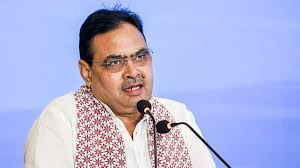
Congress Slams Move

Rajasthan Scraps:What Was the Two-Child Norm?

The two-child norm barred individuals with more than two children from contesting elections to panchayats and urban local bodies. Introduced in the mid-1990s, the rule was aimed at promoting population control through electoral eligibility conditions.

Over the years, the provision remained contentious, with critics arguing that it disproportionately affected women and marginalized communities, while supporters claimed it encouraged responsible family planning.


Cabinet Decision to Repeal

The State Cabinet approved the repeal, effectively allowing individuals with more than two children to contest grassroots and municipal elections. The government has stated that the change is intended to ensure broader democratic participation and remove what it described as restrictive conditions.

Officials indicated that the amendment would apply to future elections once the revised rules are formally notified.


Congress Criticises BJP

Congress leaders strongly opposed the decision, alleging inconsistency in the BJP’s approach to population control.

State Congress chief Govind Singh Dotasra questioned the ruling party’s stance, stating that while the BJP often advises specific communities to control population growth, it is now repealing the two-child norm for electoral candidates.

He termed the decision politically motivated and accused the government of adopting “double standards.”


Broader Political Debate

The repeal has reignited debate over whether population policies should be linked to democratic rights. Legal experts have previously noted that similar norms in other states have faced constitutional scrutiny over their impact on the right to contest elections.

Political observers believe the move could influence grassroots political dynamics, especially in rural areas where the rule had significant implications for candidate eligibility.


What Happens Next?

With the Cabinet’s approval, the amendment is expected to be formalised through notification. The issue is likely to be debated further in the State Assembly and could remain a talking point in upcoming local body elections.

The development marks a significant shift in Rajasthan’s electoral framework, ending a policy that shaped local political participation for nearly 30 years.

Comments


bottom of page